As the live event industry evolves, so do the expectations of the guests and the opportunities for venues to capitalize on elevated experiences. Premium or VIP audience experiences are no longer about a padded seat or private lounges, but a larger strategy for memorable moments to stack up, unlocking new revenue streams for venue operators and owners. Modernizing your seating strategy within the VIP package can be a game changer not only for your fans, but your bottom line.
The possibilities for VIP offerings are as diverse as the venues themselves – luxury suits, club level seating, on-field experiences, or even high-touch hospitality zones. But what actually defines a “premium” experience? And more importantly, why are venue operators increasingly choosing to invest in these high-end solutions over traditional general admission?
In this blog, we’ll dive into the strategic value of premium seating. We’ll break down the key ROI drivers, explore the operational impacts, and examine how technology and data are transforming the VIP experience into one of the most valuable assets in your venue.
Financial Return
At the core of any premium seating strategy is the opportunity to significantly boost top-line revenue. VIP and premium spectator areas command much higher price points than general admission – often three to ten-times more per seat. But it’s not just about charging more, it’s about delivering an experience that people are willing to pay for repeatedly, and at a premium.
The real financial upside comes from how these offerings bundle: pre-sold food and beverage, VIP parking, member-only perks, and exclusive sponsorship inventory all add layers of monetization that wouldn’t be possible in standard seating. These bundled packages also make premium sales more predictable and less reliant on single-ticket volume, improving financial forecasting and long-term deal value.
Perhaps more importantly, premium seating contributes to margin expansion. General admission tickets typically have higher costs associated with crowd management, concessions, and variability in demand. Premium offerings, on the other hand, are more predictable and profitable, especially when bundled with recurring hospitality packages or corporate contracts. With fewer seats generating a disproportionately higher share of revenue, and at a lower cost per dollar earned, premium zones become one of the most efficient spaces in the entire venue.
Strategic Return
Premium seating isn’t just a short-term revenue play, it’s a long-term brand asset. The seats themselves play a crucial role in shaping how guests perceive your venue, your events, and your value. When you invest in high-quality, well-designed seating solutions, you’re creating more than just comfort, you’re creating a physical symbol of your brand’s commitment to excellence.
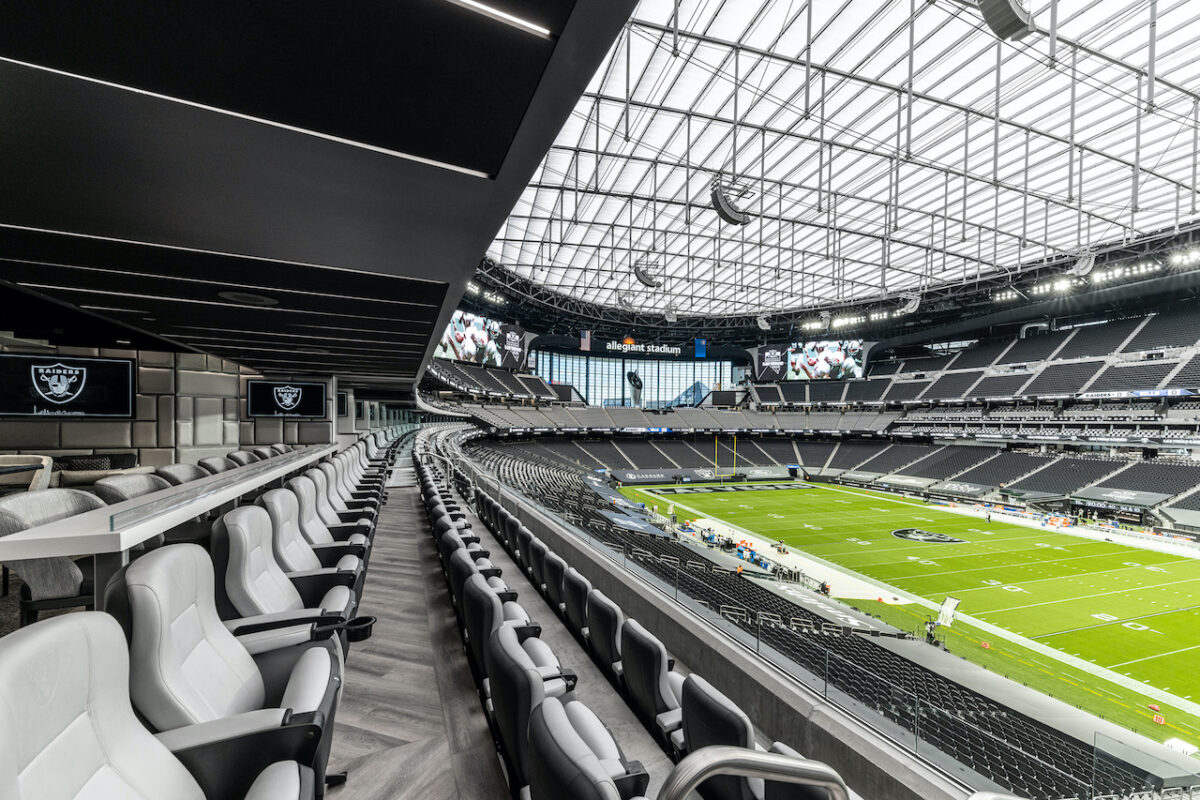
Modern premium seats go far beyond aesthetics. They’re designed for comfort, durability, and functionality – often integrating features like armrests with charging ports, modular storage, wider seat bases, and upgraded upholstery. These elements may seem minor on paper, but for high-value guests or corporate buyers, they’re a tangible part of the premium promise. More importantly, they influence purchasing behavior. Guests are more likely to return, renew, or upgrade when the seat itself delivers on the experience they’ve paid for.
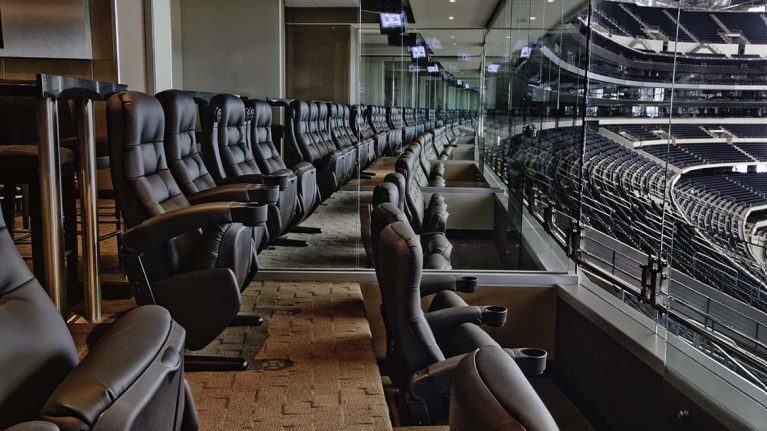
Over time, premium seating helps establish your venue as a destination, not just a location. High-end seat solutions enable consistent customer touchpoints – through personalized service, member programs, or exclusive access – that build loyalty and turn first-time buyers into long-term patrons. That loyalty translates into predictable revenue and stronger partnerships with sponsors and corporate clients who want to align with a premium brand.
Operational Considerations
The right premium seating has operational implications that can streamline venue management, reduce costs, and unlock new efficiencies. It plays a central role in how your staff operates, how easily spaces can be maintained, and how flexibly you can program and reconfigure areas to maximize use.
Maintenance and durability are also key. High-quality premium seats are built to withstand repeated use without deteriorating in appearance or function, which means fewer replacements, less downtime, and a better overall impression for returning guests. Materials, finishes, and ergonomic design aren’t just for comfort—they directly impact operational budgets over time.
Understanding the Investment (Cost vs Payback)
In short: you’re not just paying for a better seat. You’re buying a better business model, one that pays dividends across revenue, branding, and operational performance.
For any venue owner, architect, or developer, one of the first questions around premium seating is simple: Is it worth the cost? And the answer, when the right seating strategy is applied, is a resounding yes. It’s crucial to think of premium seating not as an added luxury, but as an investment that can deliver clear, measurable returns.
Yes, premium seating solutions come with a higher upfront cost. Premium materials added comfort features, modular layouts, and integrated tech can raise per-seat pricing substantially compared to standard options. But those seats are not built to serve the same function as general admission. They’re designed to generate 3–10x more revenue per ticket, per event, and often do so with less wear, lower staffing needs, and higher renewal rates.
Many venues end up recovering their investment much sooner than expected, especially when those seats are pre-sold to corporate partners or season ticketholders. For instance, a premium seat that costs $2,000 to install but brings in $8,000–$12,000 a year through bundled tickets and F&B can pay for itself in the first season. From that point on, it becomes a long-term, high-margin revenue driver.
And there’s also the long-term value to consider. Choosing durable, reconfigurable seating reduces how often you need to replace it and gives your venue more flexibility as needs change. Whether you’re planning for high-end suites, semi-private boxes, or VIP club seats, selecting the right seating solution is critical to ensuring the long-term profitability of those areas.
Technology and Data
When implemented strategically, premium seating areas become controlled, high-value environments where technology can be layered in to enhance both the guest experience and the venue’s bottom line.
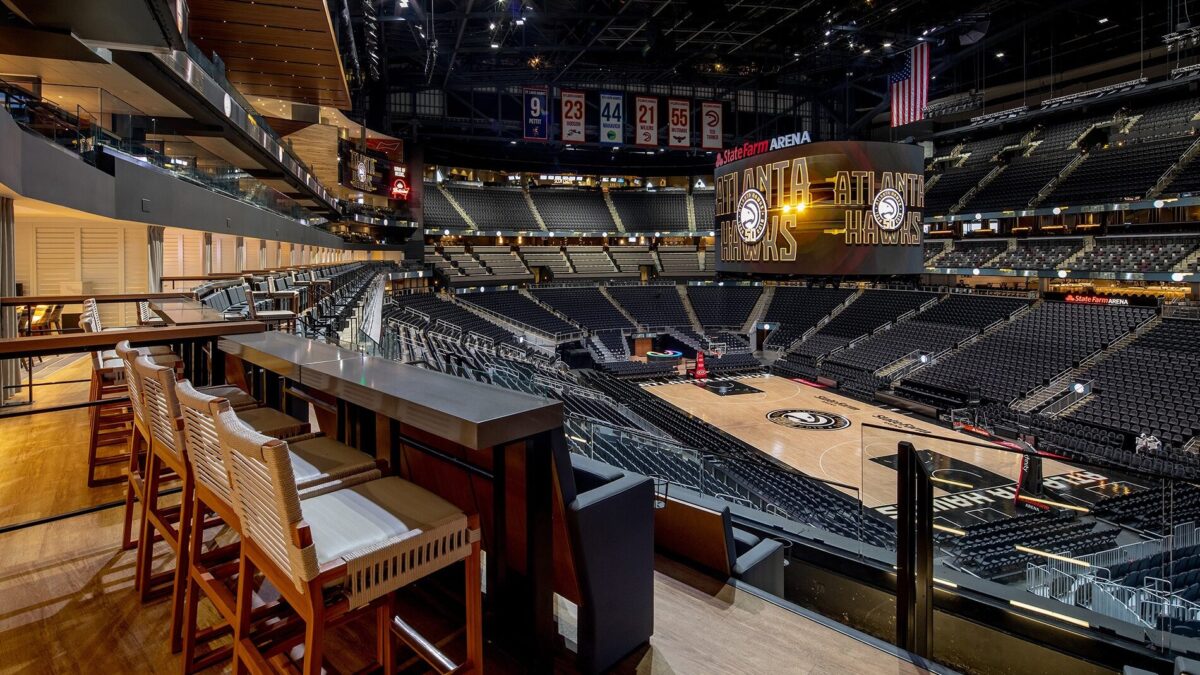
These sections often feature mobile app integrations, contactless ordering, access control, and loyalty programs—all of which generate valuable data points. From seat-level food & beverage preferences to arrival times and engagement with in-seat services, premium zones give operators a clear window into how their most valuable customers behave. This kind of data is difficult to capture in general admission settings but becomes routine in tech-enabled VIP areas.
Insights gathered from premium seating areas can inform targeted marketing, dynamic pricing, and personalized service. For example, knowing a suite holder’s favorite drink or preferred arrival time allows staff to tailor each event, boosting satisfaction and increasing the likelihood of renewals. The more data you gather, the more refined and profitable the premium offering becomes.
Closing Thoughts
As buyer expectations shift, premium seating must evolve from a static asset into a flexible, high-performing business tool. It’s no longer just about adding better finishes or exclusive access, it’s about building adaptable solutions that serve a wider range of users and use cases. Venues that rethink how premium seating functions stand to unlock more value, more often.
Premium seats are still the foundation, but the future lies in how intelligently they’re packaged, personalized, and integrated into the broader guest experience. For venue operators and architects, the goal is clear: design premium solutions that perform across events, across audiences, and across time. The return isn’t just in revenue, it’s in relevance.